Betting on the Biological Clock: Circadian Rhythm Effects in Multi-Sport Gambling Strategies
Written by Willa Müller · Jun 4, 2026
Betting on the Biological Clock: Circadian Rhythm Effects in Multi-Sport Gambling Strategies
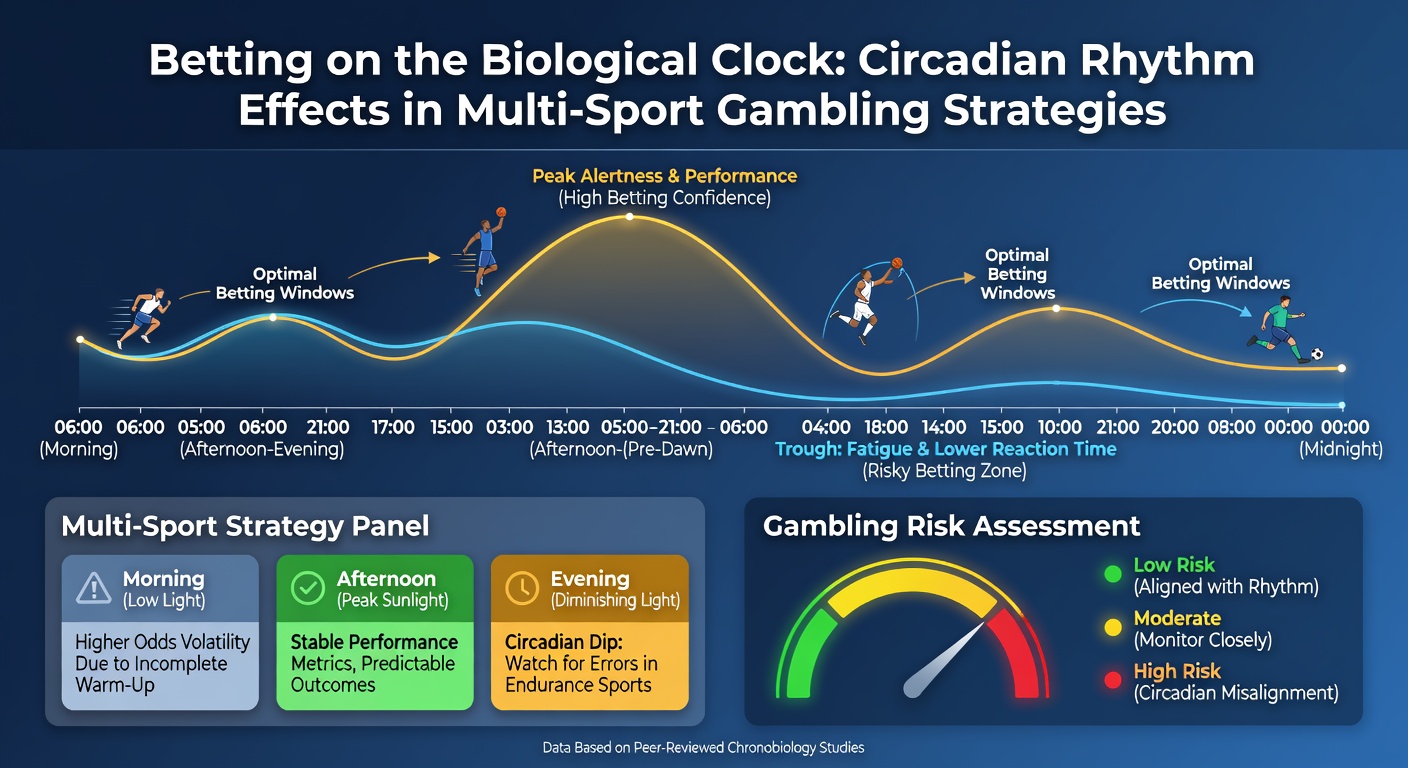
Researchers have documented how internal body clocks shape physical output, reaction times, and recovery patterns in athletes across multiple disciplines, creating measurable variables that intersect with betting markets on soccer, tennis, and thoroughbred racing. Data from performance monitoring programs show peak alertness windows typically cluster between late morning and early afternoon for most competitors, while evening slots often introduce dips that alter expected results in cross-sport accumulators. Observers note these patterns hold steady when schedules cross time zones or feature irregular start times, which affects how bettors construct multi-leg wagers that span different sports and venues.
Core Mechanisms Behind Circadian Influences on Performance
Studies conducted by university labs and sports science institutes reveal that core body temperature, hormone levels, and sleep pressure follow predictable 24-hour cycles that directly modulate muscle strength, cognitive decision-making, and endurance capacity. Teams that travel across several time zones experience measurable shifts in these cycles, with data indicating slower adaptation rates among athletes over age 30 compared to younger cohorts. In June 2026, several major soccer leagues and tennis tours schedule early evening fixtures that coincide with documented low points in circadian alertness for visiting squads, while thoroughbred meets in the same period often feature morning workouts that align better with natural peak periods for equine athletes.
Evidence from longitudinal tracking programs demonstrates that reaction time can vary by up to 15 percent depending on the hour of competition, a factor that compounds when bettors combine selections from soccer matches kicking off at 20:00 local time with tennis sessions that begin at 11:00. Handicappers who map these variables against historical results find clearer edges in accumulators that favor squads or players whose preparation schedules match their biological peaks rather than fighting against them.
Application Across Soccer, Tennis, and Horse Racing Markets
Soccer data sets collected over multiple European seasons indicate that teams playing away matches with kickoffs after 21:00 local time post fewer high-intensity runs in the final 15 minutes, a trend visible in both domestic leagues and continental competitions. Tennis performance logs show similar evening declines in first-serve percentages among players whose circadian rhythms have not adjusted to late starts, particularly during clay-court swing events that stretch into the early summer months. Thoroughbred racing records compiled by industry analysts reveal that horses trained on morning gallops post stronger figures when races occur before 15:00, whereas afternoon and twilight cards sometimes produce underperformance from animals whose routines clash with the card timing.
Those who build multi-sport parlay strategies often cross-reference fixture start times with publicly available training schedules and travel logs to identify mismatches. One study released by an Australian research consortium found that thoroughbreds shipping in from different hemispheres showed adaptation lags lasting up to five days, a window that overlaps with several June 2026 racing festivals and creates identifiable patterns for place and win markets.
Constructing Accumulators Around Time-Based Variables
Bettors who integrate circadian data typically begin by listing all selections alongside their scheduled start times and estimated travel or recovery windows for each participant. They then layer filters that prioritize morning or early-afternoon events when possible, while adjusting stake sizes downward for evening legs where historical data shows elevated variance. This approach produces layered accumulators that combine soccer home sides with favorable kickoff slots, tennis players on day sessions after normal sleep cycles, and racehorses whose recent workouts align with the card timing.
Industry reports from North American gaming associations note that operators have begun publishing start-time analytics that allow sharper assessment of these factors, though most markets still price primarily on form and surface rather than biological timing. European regulatory bodies have similarly released guidelines encouraging transparency around scheduling impacts, giving bettors additional data streams to incorporate into multi-leg strategies without relying solely on traditional statistics.
Observed Patterns in 2026 Scheduling Cycles
Leading into June 2026, several tennis tournaments and soccer leagues have clustered fixtures in ways that create repeated evening windows for visiting or traveling athletes, while many racing programs maintain morning card structures that favor established training routines. Performance databases compiled by independent research groups show these clusters correlate with measurable shifts in expected outcomes, particularly when accumulators cross from one sport into another within the same 48-hour period. Those monitoring such trends report consistent value in selections where at least two legs benefit from alignment between competition timing and documented circadian peaks.
Conclusion
Performance data continue to demonstrate that circadian rhythm alignment functions as a quantifiable input alongside traditional form and tactical analysis when constructing multi-sport betting strategies. As scheduling calendars evolve through 2026 and beyond, the integration of start-time mapping with travel and recovery records offers a structured method for identifying edges across soccer, tennis, and thoroughbred markets. Research published through the National Institutes of Health and parallel findings from the Australian Sports Commission underscore the measurable nature of these effects, allowing bettors to refine accumulator construction around documented biological patterns rather than anecdotal observation alone.