Biological Clock Alignments and Performance Peaks in Global Athletic Calendars: A Data-Driven Approach to Timing Wagers Across Disciplines
Written by Willa Müller · Jun 29, 2026
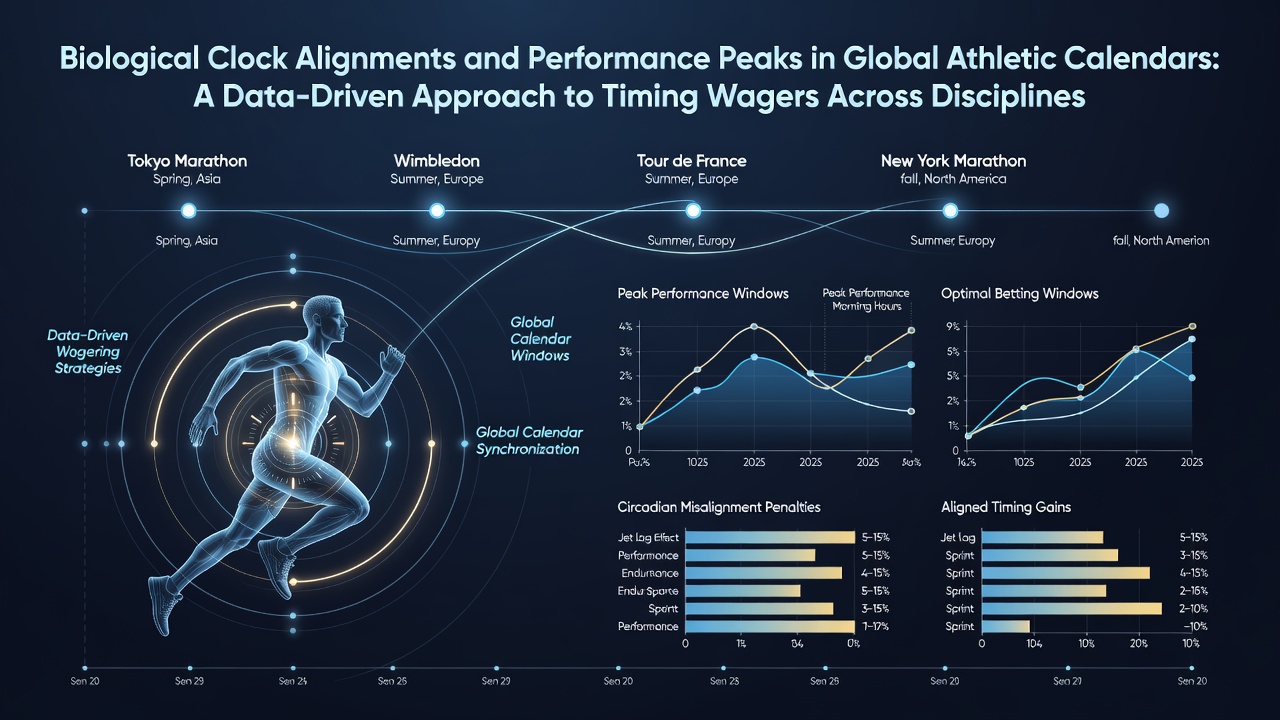
Biological Clock Alignments and Performance Peaks in Global Athletic Calendars: A Data-Driven Approach to Timing Wagers Across Disciplines
Human performance follows predictable rhythms driven by internal biological clocks, and researchers have documented these patterns across multiple sports through extensive physiological monitoring. Circadian rhythms regulate core body temperature, hormone release, muscle strength, and cognitive alertness, with peak outputs typically occurring in the late afternoon for most individuals according to studies from institutions like the University of Alberta. Global athletic calendars often align events with these natural peaks, though travel across time zones disrupts synchronization and produces measurable declines in output during early rounds of tournaments.
Circadian Rhythms in Athletic Output
Data collected from professional soccer leagues shows that matches scheduled between 4 PM and 8 PM local time correlate with higher goal-scoring rates and fewer defensive errors, patterns that hold across European and South American competitions tracked over multiple seasons. Tennis players exhibit similar trends where serve accuracy and rally endurance improve during afternoon sessions, while morning matches display elevated unforced error counts in Grand Slam statistics maintained by the International Tennis Federation. Horse racing form books from Australian tracks reveal that Thoroughbreds achieve faster sectional times in late afternoon races compared with early morning trials, consistent with findings on equine melatonin cycles published by veterinary researchers at Murdoch University.
Time Zone Shifts and Recovery Metrics
Jet lag effects appear most pronounced when athletes cross more than three time zones eastward, with performance metrics dropping 5 to 10 percent in the first 48 hours after arrival based on data compiled by the Australian Institute of Sport. Westward travel produces milder disruptions because it extends the day and allows quicker adjustment through natural light exposure. In June 2026, teams preparing for the FIFA World Cup in North American venues will face varying adjustment periods depending on departure points, with squads from Asia and Oceania encountering longer adaptation windows than those traveling from within the Americas. Monitoring protocols used by national federations track sleep efficiency, reaction times, and heart rate variability to quantify these shifts before competition begins.
Seasonal Variations Across Disciplines
Longitudinal records from the English Premier League indicate that goal tallies rise during spring months when daylight hours increase, while winter fixtures show tighter scorelines and more draws according to league archives. Tennis surfaces interact with these seasonal factors since clay courts retain moisture differently in cooler months, altering ball speed and player movement patterns documented in ATP performance databases. Thoroughbred racing calendars in Europe concentrate major classics during the longer daylight period from May through September, aligning with improved training conditions and reduced injury rates reported in industry veterinary summaries.
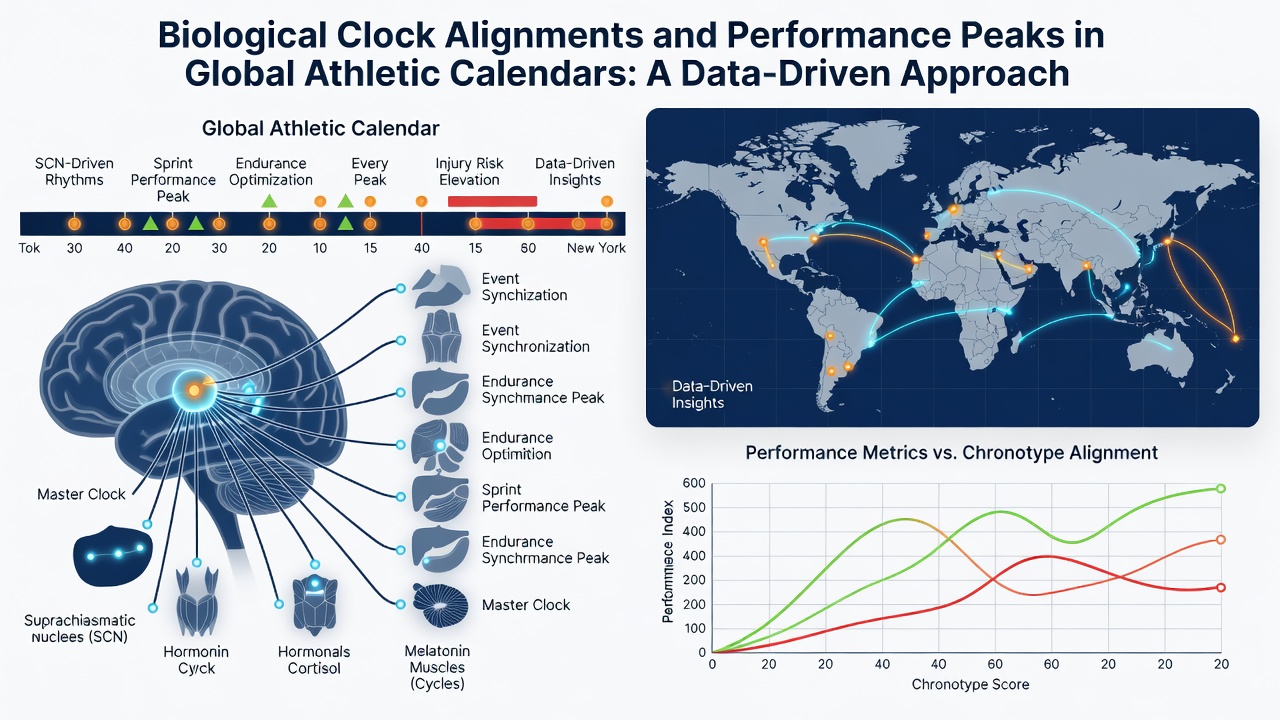
Swimming and track and field events scheduled for evening sessions at major championships consistently produce faster times in sprints and middle-distance events, patterns confirmed in Olympic timing records and World Athletics databases. These alignments occur because core body temperature reaches its daily maximum in the late afternoon, enhancing muscle contractility and neural firing rates.
Data Integration for Calendar Planning
Performance databases now combine circadian data with travel logs and weather variables to model expected outputs at specific venues and times. Analysts at research centers such as the National Institutes of Health have published models showing how light exposure schedules can accelerate resynchronization after long-haul flights. Event organizers increasingly use these insights when setting kickoff times for international tournaments, particularly when multiple time zones separate competing teams. Horse racing authorities in Hong Kong apply similar principles by adjusting race times during international meeting periods to accommodate visiting trainers and jockeys.
Cross-Discipline Comparisons
Comparative studies across soccer, tennis, and equestrian sports highlight discipline-specific responses to circadian misalignment. Soccer teams demonstrate greater resilience to schedule changes because matches involve continuous movement rather than discrete high-intensity efforts, whereas tennis players show larger variances in first-serve percentages after eastward travel. Racing data indicates that older horses adapt more slowly to new time zones than younger animals, a finding drawn from form analysis conducted by the Hong Kong Jockey Club. Aggregated datasets allow observers to identify windows where performance differentials widen between rested and travel-fatigued competitors.
Conclusion
Global athletic calendars increasingly reflect physiological research on biological clocks, with timing decisions informed by temperature curves, sleep data, and recovery timelines. These alignments produce measurable patterns in outcomes across soccer, tennis, and horse racing that statistical models capture with growing precision. Observers who track these variables alongside traditional form indicators gain access to structured information for evaluating event timing in future competitions scheduled through 2026 and beyond.