Injury Ripple Effects Across Fields, Courts, and Tracks: Data-Driven Approaches to Multi-Sport Accumulators
Written by Willa Müller · Jul 13, 2026
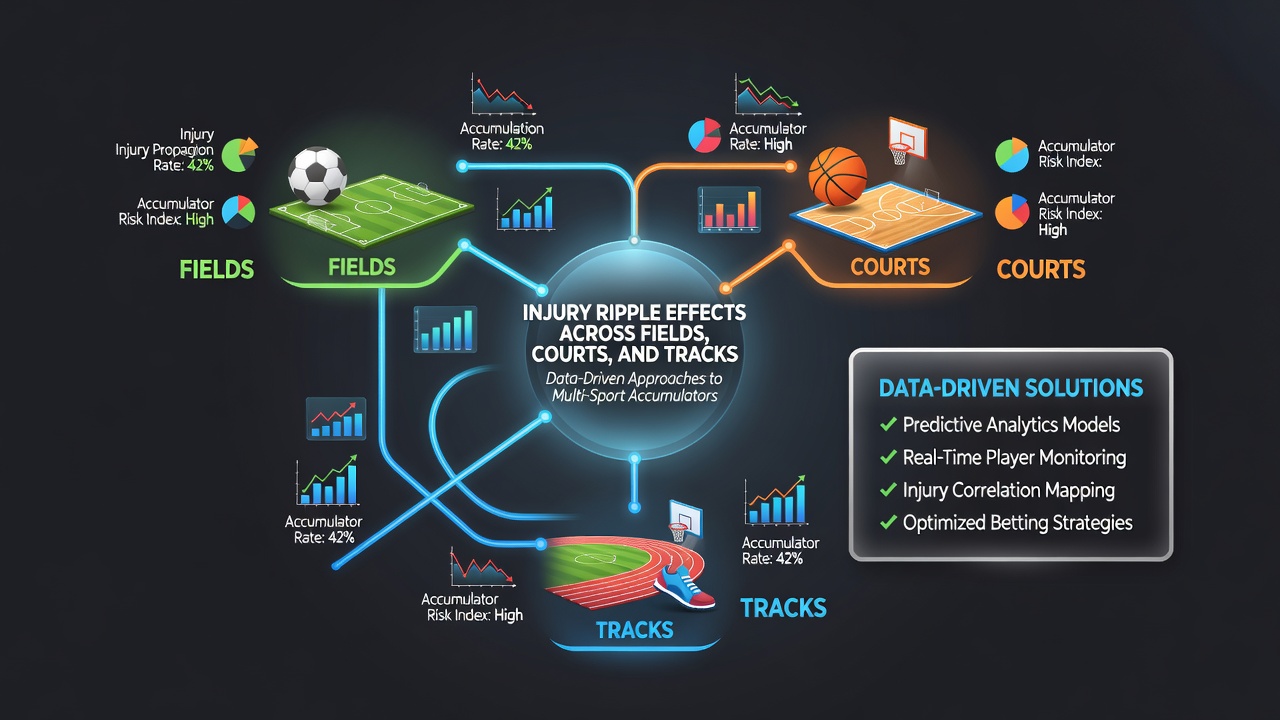
Injury Ripple Effects Across Fields, Courts, and Tracks: Data-Driven Approaches to Multi-Sport Accumulators
Multi-sport accumulators combine selections from soccer matches, tennis tournaments, and horse racing events, yet injuries introduce variables that alter outcomes across these domains. Analysts monitor player availability in football leagues, athlete fitness in tennis circuits, and equine or jockey conditions in racing calendars to adjust accumulator models accordingly. Data collection systems aggregate medical reports, performance metrics, and historical patterns to quantify how one absence shifts probabilities in combined bets.
Tracking Injury Patterns in Cross-Sport Contexts
Researchers compile datasets from major competitions where soccer teams lose key defenders or midfielders to hamstring strains, tennis players withdraw from clay-court events due to wrist issues, and thoroughbreds miss races after tendon concerns. These records feed algorithms that recalculate accumulator odds when multiple selections face simultaneous risks. In July 2026, ongoing Grand Slam preparations and mid-season racing festivals highlight how clustered injury reports influence parlay structures that span continents and surfaces.
Statistical models integrate variables such as recovery timelines, prior injury recurrence rates, and positional demands to forecast ripple effects. Soccer data often includes minutes played before sidelining, while tennis sources track serve speeds and movement efficiency post-treatment. Racing databases note workout times and veterinary assessments that precede scratched runners. Combined analysis reveals correlations where a single high-profile absence in one sport coincides with elevated caution in selections from the others.
Data Sources and Analytical Frameworks
Organizations such as the National Institute for Occupational Safety and Health publish aggregated sports injury statistics that extend to professional levels, providing baseline figures for model calibration. Academic studies from institutions including the University of Queensland examine load management across athletic disciplines, offering comparative data on how training volumes precede soft-tissue problems in footballers, racket sport athletes, and equine athletes alike. These inputs allow accumulator builders to layer conditional probabilities rather than rely on static form guides.
Machine learning pipelines process real-time feeds from league medical updates, tournament withdrawal lists, and stable reports to generate adjusted multipliers. Observers note that such systems flag when a soccer squad's defensive injury cluster overlaps with a tennis player's surface-specific vulnerability or a racehorse's travel-related fatigue. The resulting outputs refine stake distribution across four-fold or five-fold bets that mix evening fixtures with next-day racing cards.
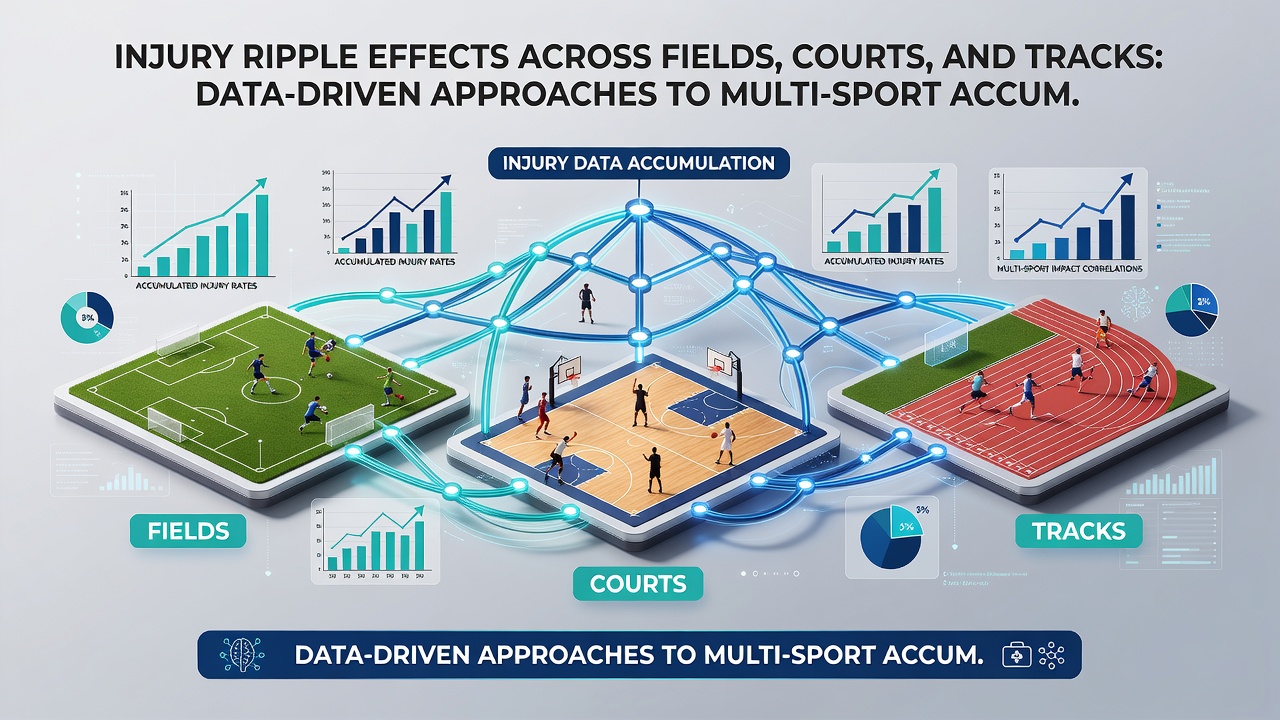
Implementation in Accumulator Construction
Bet constructors apply filters that exclude or down-weight selections involving recently injured participants, substituting alternatives drawn from deeper squads or less affected brackets. In practice, this means cross-referencing a Premier League team's confirmed absences against ATP entry lists and race declarations before finalizing an accumulator ticket. Automated alerts trigger when new medical bulletins arrive within hours of event deadlines, prompting rapid recalculation of expected value across the combined markets.
Case examples drawn from archived seasons illustrate how early detection of a star striker's ankle concern altered soccer legs while parallel tennis shoulder updates shifted court selections, ultimately reshaping the entire parlay payout structure. Similar patterns emerge during racing carnivals where last-minute jockey changes due to fitness declarations cascade into revised accumulator pricing. Data platforms that synchronize these signals across time zones maintain consistency for users managing portfolios that span multiple continents.
Future Developments in Injury-Informed Modeling
Advances in wearable sensor technology and imaging diagnostics continue to expand the granularity of available inputs, enabling earlier identification of subclinical issues that previously surfaced only after performance drops. Integration of these streams with existing accumulator frameworks supports dynamic hedging strategies where partial cash-outs respond to emerging injury confirmations. Regulatory bodies in various jurisdictions review how such data transparency affects market integrity, prompting standardized reporting protocols that benefit model accuracy.
Conclusion
Data-driven handling of injury ripple effects supplies a structured method for navigating multi-sport accumulators that link soccer, tennis, and horse racing. By fusing medical records, performance analytics, and real-time notifications, practitioners maintain calibrated probabilities even when absences cluster across fields, courts, and tracks. Continued refinement of these approaches aligns accumulator construction with the evolving landscape of professional sports calendars.