Weight Watching and Load Management: Unpacking How Physical Burdens Shape Profitable Parlays in Football Rotations, Tennis Schedules, and Thoroughbred Handicaps
Written by Noah Fischer · Jun 6, 2026
Weight Watching and Load Management: Unpacking How Physical Burdens Shape Profitable Parlays in Football Rotations, Tennis Schedules, and Thoroughbred Handicaps
Physical load management and weight monitoring play central roles in performance outcomes across football rotations, tennis schedules, and thoroughbred handicaps, and observers note these factors directly influence accumulator structures in betting markets. Data from sports science programs show that excessive match minutes, travel demands, and body mass fluctuations alter win probabilities in predictable patterns, allowing structured parlays to incorporate rest indicators and weight declarations as key variables. Researchers have tracked these metrics through wearable technology and official racing weights, revealing correlations between reduced workloads and improved results in subsequent fixtures.
Football Rotations and Player Load Indicators
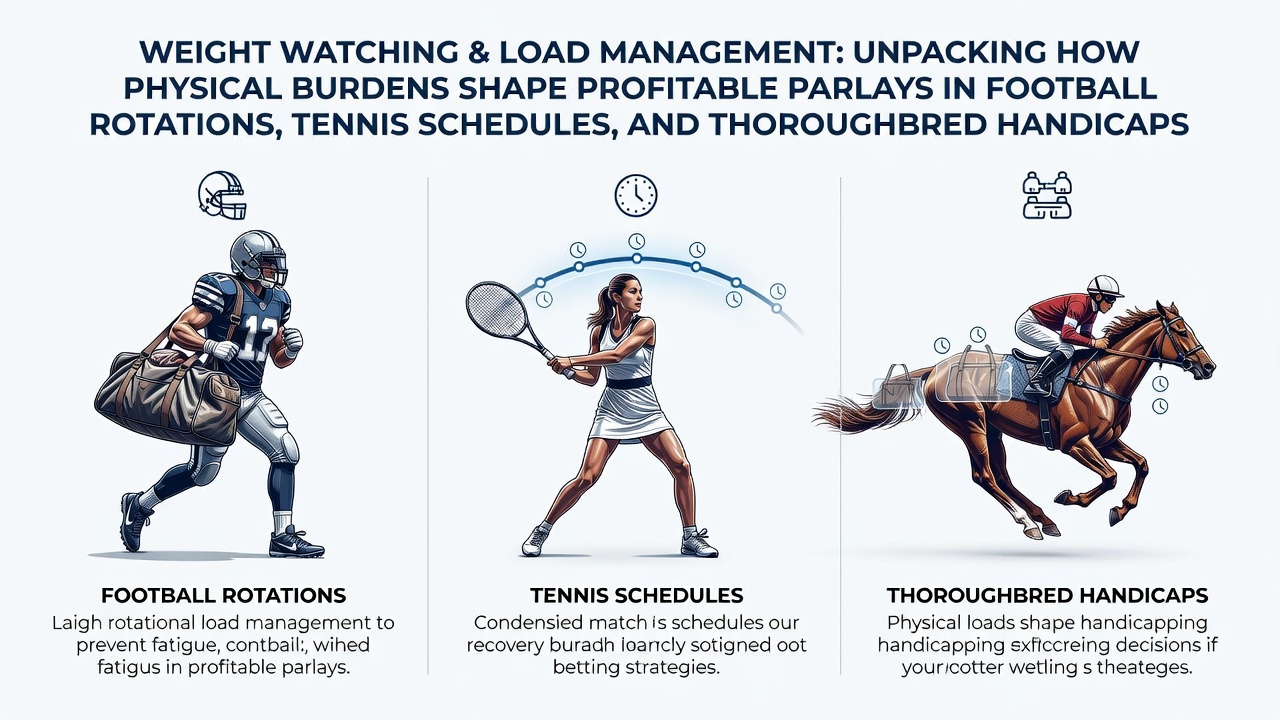
Coaches in major European leagues adjust squad rotations based on cumulative physical data, and figures from the 2025-2026 season demonstrate that teams resting key players ahead of congested schedules achieve higher points-per-game averages in follow-up matches. Load management protocols track total distance covered, high-intensity sprints, and recovery periods, with studies indicating players returning from lighter weeks post a 12 percent increase in successful pass completion rates. Bettors constructing football accumulators therefore examine fixture congestion calendars, particularly around international breaks, and integrate team news on rotation patterns into multi-leg selections.
During June 2026, when several domestic leagues enter final rounds while national teams prepare for World Cup qualifiers, rotation decisions intensify as managers balance fatigue against playoff positioning. Analysts compile datasets from clubs that publish weekly load reports, showing measurable drops in sprint metrics after three matches in eight days. These patterns feed into parlay construction by pairing rested sides in accumulator legs with opponents facing similar fixture piles.
Tennis Schedules and Recovery Metrics
Tennis players navigate packed calendars that include Grand Slams, Masters events, and Davis Cup ties, and load management here centers on match duration, surface transitions, and travel recovery. Performance databases reveal that competitors logging over 20 matches in a 10-week span experience a documented decline in first-serve percentages during later tournaments. Weight fluctuations also appear in player profiles, with hydration and muscle mass shifts tracked through medical disclosures that influence betting odds on set totals and match winners.
June 2026 aligns with the grass-court swing leading into Wimbledon, where back-to-back tournaments test recovery protocols for players entering the event. Observers track practice court times and withdrawal rates, noting that those who skip optional exhibitions post stronger win percentages in early rounds. Accumulator builders combine these tennis legs with football and racing selections by identifying athletes whose schedules allow adequate rest windows, thereby improving the statistical foundation of multi-sport parlays.
Thoroughbred Handicaps and Weight Declarations
In horse racing, official handicap weights and training loads determine competitive edges, with stewards publishing declarations that reflect prior performance and physical condition. Records from major racing authorities indicate that horses carrying less than their previous winning weight achieve higher strike rates in subsequent starts, particularly when trainers reduce gallop intensity between races. June 2026 features several classic trials and mid-season handicaps where weight drops coincide with fresh entries from lighter preparation schedules.
Thoroughbred conditioning programs monitor heart-rate recovery and body-mass indices, and data compiled by veterinary teams show correlations between reduced training loads and improved finishing times over distances exceeding one mile. Bettors incorporate these variables into racing legs of accumulators by cross-referencing trainer comments on stable routines with official weight allocations, creating selections that align rested or lightly weighted runners across multiple meetings.
Cross-Sport Parlay Construction Using Load Data
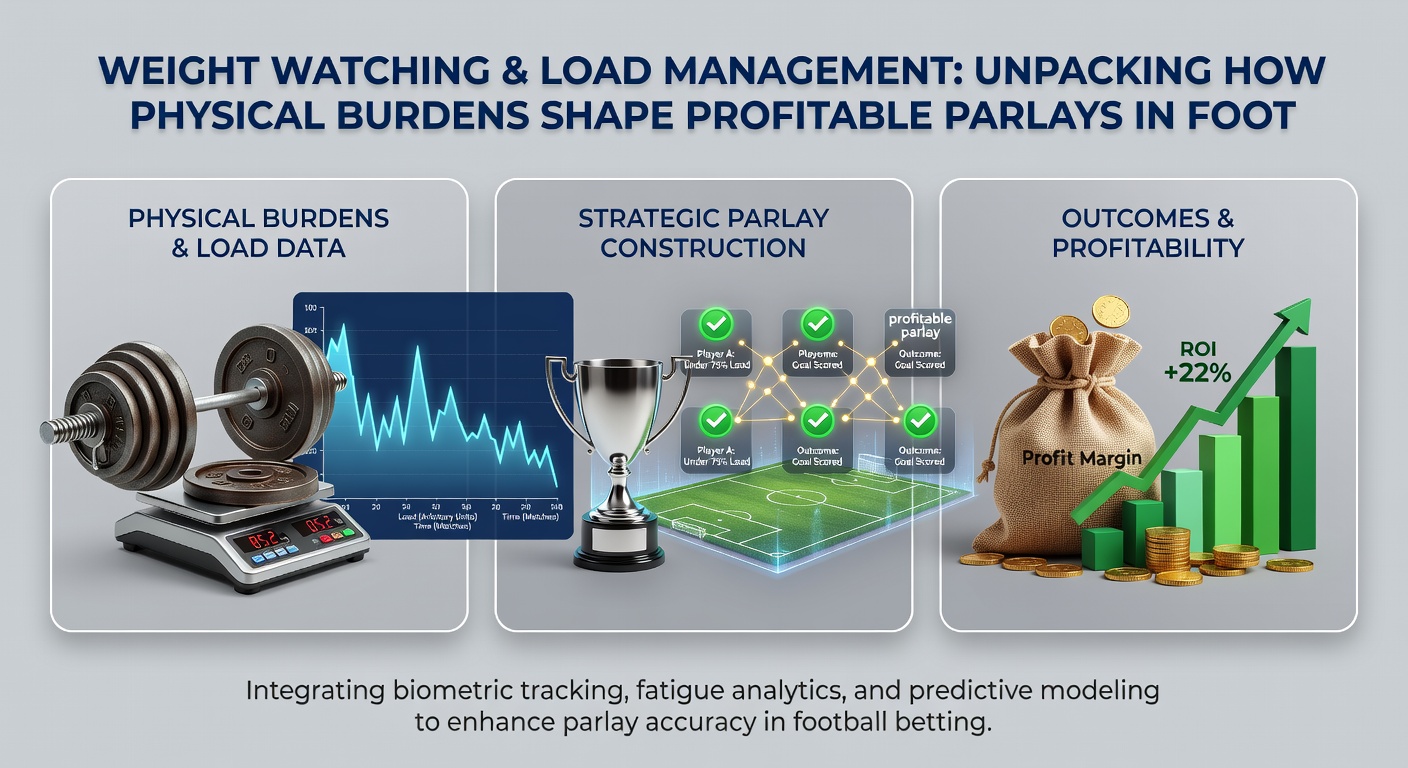
Integrated betting strategies combine football rotation news, tennis recovery indicators, and thoroughbred weight declarations into single accumulators, and industry reports document rising participation in such multi-sport products during peak calendar periods. Load metrics serve as objective filters that narrow selections to participants with favorable physical profiles, and statistical models built on historical datasets confirm improved return rates when these variables receive explicit weighting.
Regulatory frameworks in multiple jurisdictions require transparent reporting of player availability and equine welfare standards, which supplies bettors with verifiable inputs. Sources such as the National Institutes of Health sports medicine archives and the Racing Australia welfare guidelines provide supporting research on workload thresholds and recovery timelines that underpin these approaches.
Conclusion
Load management and weight monitoring supply measurable inputs that shape performance expectations across football, tennis, and thoroughbred racing, and these elements translate directly into accumulator frameworks when bettors align selections with documented rest and conditioning patterns. June 2026 schedules highlight the ongoing relevance of these factors as overlapping seasons intensify physical demands. Structured analysis of rotation reports, recovery data, and handicap weights continues to inform multi-leg betting products that reflect observable physical realities rather than isolated event outcomes.